
Mold Remediation
Containing mold growth comes first in mold remediation, followed by removal, cleaning and correction of the moisture problem that allowed it.
See mold remediationRemove humidity-related mold in Baldwin Park with moisture mapping, containment, HEPA cleaning, drying and source correction.
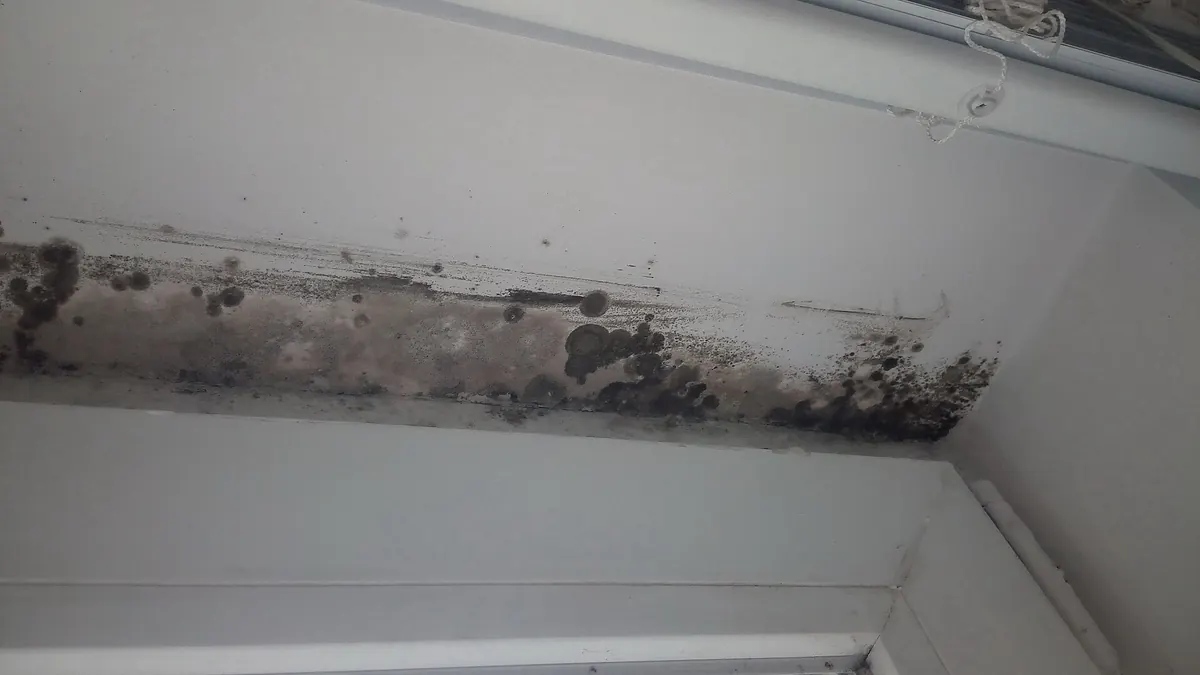
The work addresses affected materials, visible growth and humidity control.
When damp air meets a cold surface, it condenses. Check window sills, closets, ceilings and spaces behind furniture for growth, and also rule out leaks.
Use a moisture meter to check materials and a hygrometer to measure relative humidity. Although a thermal imaging camera can flag patterns, it cannot identify mold.
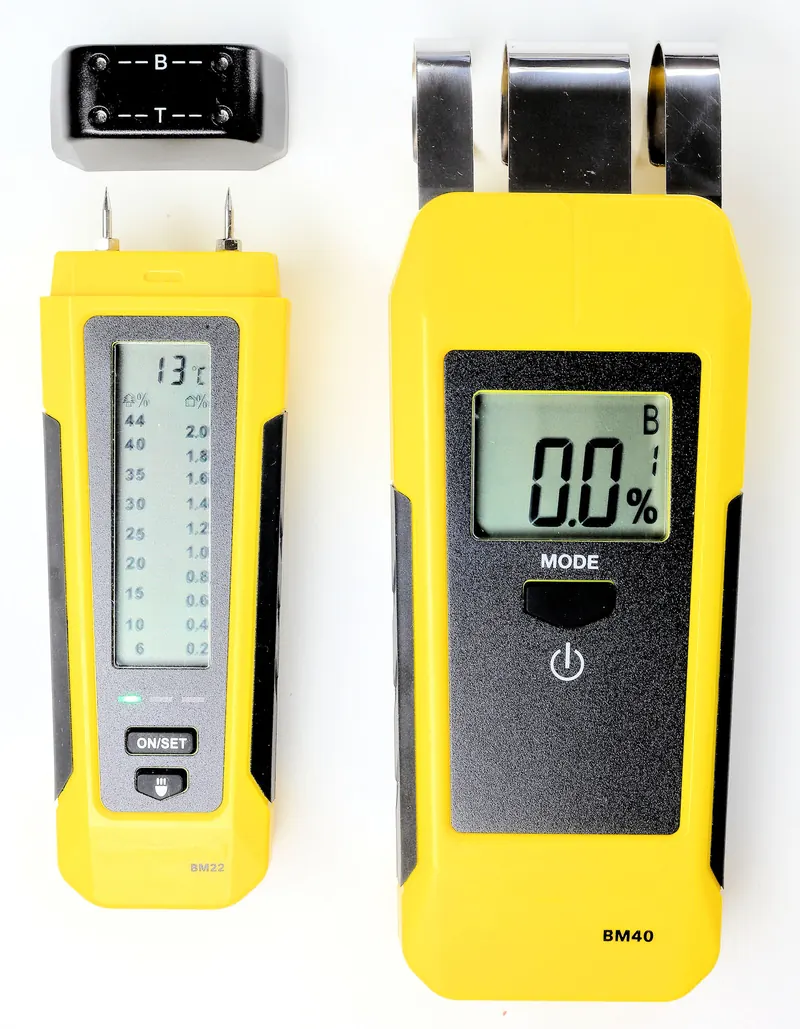
You should ask how the inspection evaluates ventilation, dew point and whether the source is a leak or condensation.
Ask how barriers and negative air pressure will protect clean rooms and belongings.
Testing and confirmation that conditions are dry should come from an independent assessor.
Look for removal limits, HEPA cleaning, drying targets and repair duties.
When window condensation or mold growth keeps returning, look for hidden moisture or inadequate ventilation.
An assessment is needed for water around a register, line or drain pan. Leave that suspected equipment off.
Cold surfaces can fall to the dew point. Missing insulation or air leakage may contribute.
Moisture can enter the frame and surrounding drywall. Curtains may limit air circulation.
Shower humidity may keep walls wet if the exhaust fan performs poorly. Improve ventilation.
Avoid contact with visible growth and limit moisture until an assessment occurs.
Call (844) 352-3560There is no published price specifically for condensation mold. Fixr puts the general mold remediation range between $1,500 and $9,000 for the work. For areas above about 10 square feet, its rate is $10 to $30 for each square foot. A crawl space encapsulation guide is the source for the dehumidifier amount. These are not quotes for any property.
The figures are published national cost guide ranges, not results of a property visit. Following an on-site assessment, the property price should be explained to you before any work begins.
Ask about cost: (844) 352-3560The claim's cause and the policy determine whether coverage applies.
You should confirm mold coverage limits. A burst pipe differs from recurring condensation.
Retain claim documentation, photos, moisture readings and the written scope of work.
Under California's housing law, visible mold found by a health officer or code enforcement officer can make a rental substandard. Renters can contact their local health or code enforcement department to ask for an inspection. Keep messages about leaks, condensation, exhaust fan problems, visible growth and requests for repair access.
California's Toxic Mold Protection Act includes a landlord written-disclosure section (Health and Safety Code 26147). By its own wording it applies only after the state adopts mold exposure standards, and the state health department has said it could not set them. Retain the scope, photos, readings, repairs and clearance report.
The source, materials and affected area determine the plan.
During inspection, moisture readings document relative humidity and cold surfaces.
Workers use poly sheeting to isolate the work area. Negative air pressure protects clean rooms.
Workers wear protective equipment when material disturbance begins.
A HEPA air scrubber is the air filtration device throughout removal.
Wet materials such as moldy drywall, carpet, ceiling tile and insulation may come out.
A HEPA vacuum and damp wiping clean non-porous surfaces. The drying process is supported by dehumidification.
Readings verify complete drying. An assessor independent from removal performs post-remediation verification, air sampling or clearance testing.

Call whenever you need. A humidity and condensation mold specialist takes your call, discusses what you see and outlines what comes next.
Hidden growth can affect porous materials and spread when disturbed.
Allergy or asthma symptoms can be triggered by mold in some individuals. Greater risk applies to those with weak immune systems, lung disease or asthma, CDC guidance notes.
You cannot judge risk from color. Window frame cleanup still begins with moisture control.
Even after room air becomes comfortable, hidden drywall surfaces and insulation may still be wet.
Can you clean it yourself? EPA says an area under about 10 square feet can often be cleaned by the homeowner or renter. First, correct the moisture. If you find extensive growth, affected HVAC equipment, sewage or contaminated water, seek professional help.
Timing depends on repair and drying needs, removal and hidden growth.
A musty smell can indicate damp material, but cannot locate it. You cannot address moisture by using ozone, scented products or spray.
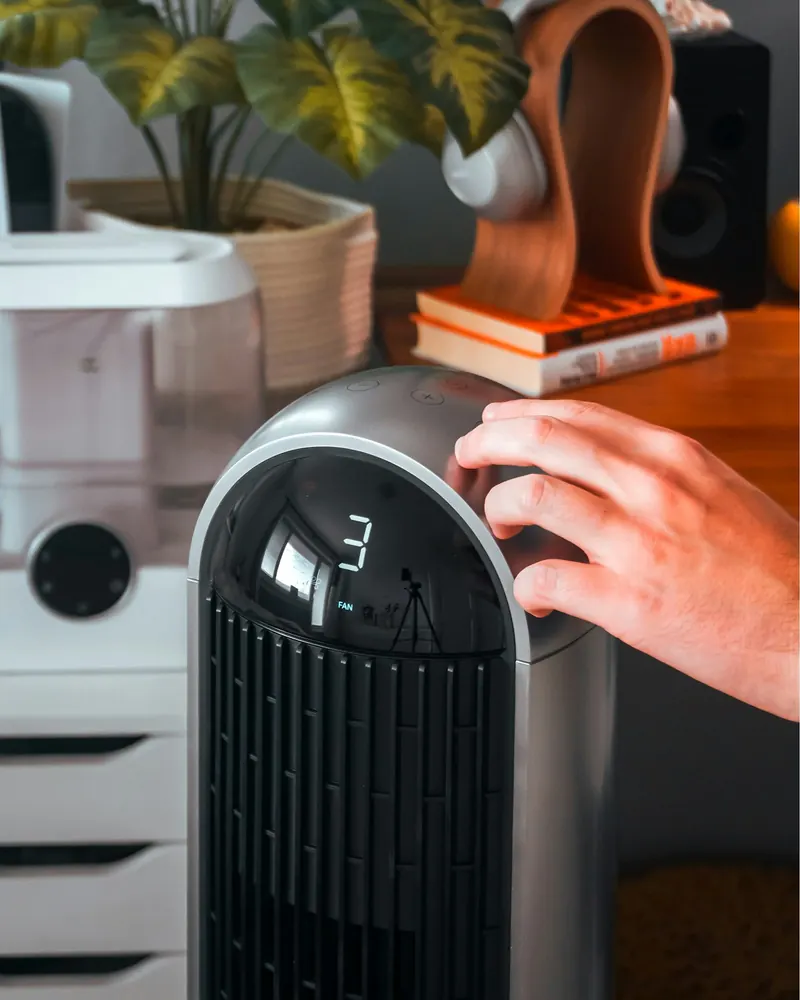
Use a hygrometer to monitor the humidity range associated with mold. In a humid climate, a dehumidifier, insulation or ventilation may help.
California has no state license or certification for mold assessors or remediators, according to the California Department of Public Health. General construction work above a small dollar amount does need a license from the Contractors State License Board (CSLB), so it is worth checking a contractor's license there and asking about their mold training. Ask which permits apply to demolition or rebuilding.
EPA guidelines say to fix the water problem and dry water-damaged materials within 24 to 48 hours to prevent mold growth.
No federal limit exists for indoor mold levels. EPA recommends humidity below 60 percent and ideally 30 to 50 percent.
The California Department of Public Health (CDPH) Air Quality Section publishes mold and dampness guidance and a mold FAQ. CDPH says visible mold, dampness, and mold odor are unhealthy and should be fixed, and that routine mold testing is not needed when mold is visible. Check the requirements that cover your property and proposed work.
The full humidity and condensation mold guide covers what is cleaned or removed, odor and air quality work, and the rules that apply in California.
Read the full humidity and condensation mold guide
Local humidity and housing, along with access to your property, can influence mold cleanup planning, moisture control and containment.
The local mix includes 42 percent renter occupied homes, making dated photos and written leak reports useful for identifying which surfaces and adjoining spaces need to be checked.
A median construction year of 1964 means local homes may have decades of repairs or remodeling that conceal an older leak behind newer finishes.
The local housing stock is 77 percent single-family, making ventilation, drainage, and plumbing checks across the property relevant to keeping cleaned areas dry.
In Baldwin Park, 10 percent of seniors live alone, making occasional checks of closets, lower levels, and utility areas useful for finding moisture that is easy to overlook.
During your call, ask whether mold cleanup is available in surrounding communities and ZIP codes.
Containing mold growth comes first in mold remediation, followed by removal, cleaning and correction of the moisture problem that allowed it.
See mold remediation
Removing surface and material growth, bagging items beyond saving and preparing the area for repairs are all part of mold cleanup.
See mold cleanup
Residential mold removal covers mold in houses and condos, from a single room to several areas, handled by a local crew.
See residential mold removal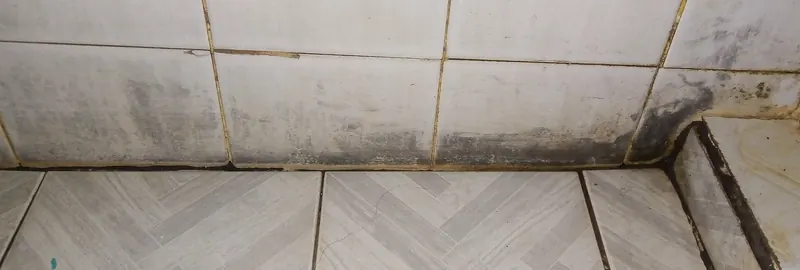
Bathroom mold removal clears growth from grout, walls, ceilings and spaces behind showers while checking for leaks or poor ventilation.
See bathroom mold removal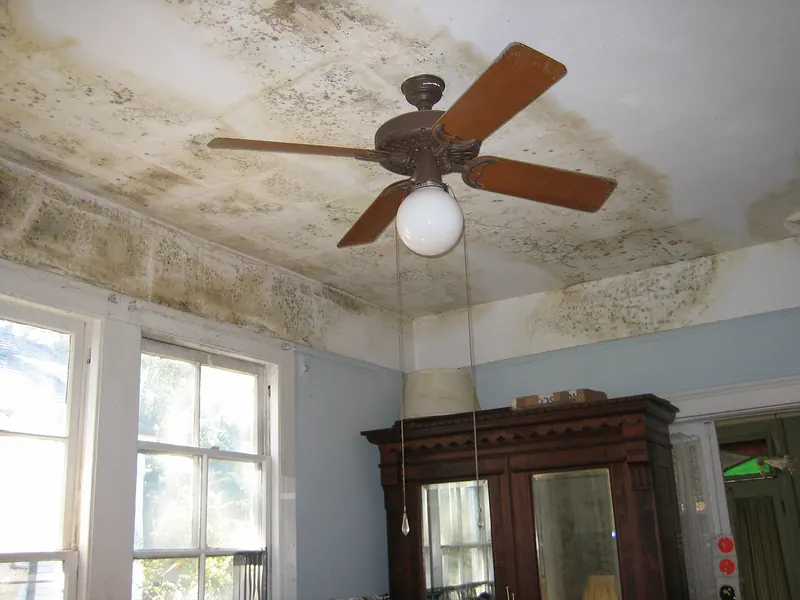
For ceiling mold removal, damaged ceiling drywall is replaced or cleaned after identifying the overhead humidity issue, roof leak or pipe leak.
See ceiling mold removal
Wall and drywall mold removal cuts out and replaces mold-damaged drywall and cleans the framing inside the wall.
See wall and drywall mold removal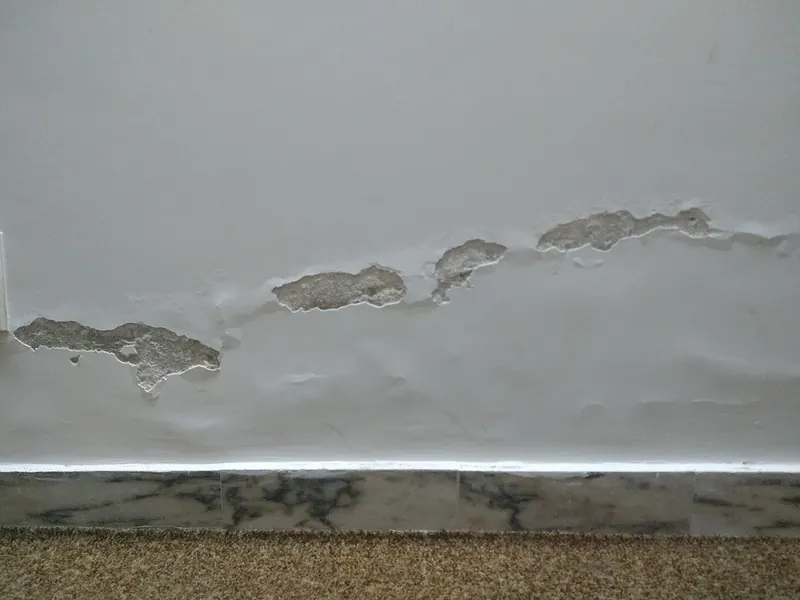
Hidden mold remediation finds and removes mold growing behind walls, under floors and above ceilings where you cannot see it.
See hidden mold remediation (behind walls)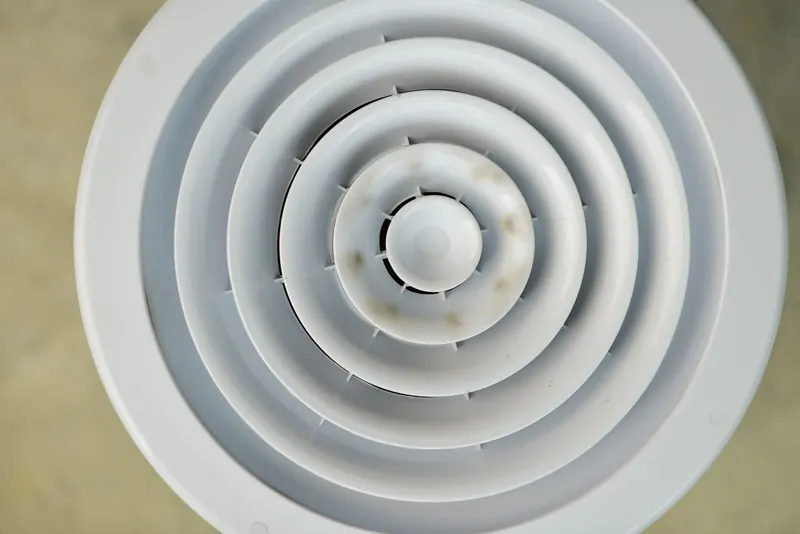
Ducts, drain pans, coils and vents receive air duct mold removal to prevent the HVAC system from continuing to spread mold.
See HVAC and air duct mold removalEach mold does not grow at the same percentage. Consider the material, surface temperature and duration of dampness. For indoor relative humidity, EPA recommends below 60 percent and ideally 30 to 50 percent humidity. A hygrometer tracks room air, while a moisture meter checks materials.
A single room reading will not predict growth. Even with a lower room reading, cold surfaces may become wet from condensation. Use the EPA humidity range and investigate repeated moisture affecting ceilings, walls or windows. Use moisture readings to determine if finished materials are still wet.
You may see patches or spots along ceilings, painted walls, closets, window frames or furniture backs. You cannot determine either cause or risk from color and appearance. You can better identify the source and plan the job by checking condensation patterns, material moisture, indoor humidity and surface temperatures.
When warm air meets cold surfaces, high humidity may leave moisture. High humidity alone does not establish the source. Also check air conditioner drainage, wet insulation and leaks around plumbing, windows or the roof. After fixing the moisture, you still need to clean or remove growth that remains.
The cause and your policy determine whether coverage applies. Policies commonly exclude recurring humidity and problems related to maintenance. Mold resulting from a covered water event that was sudden and accidental may be treated differently, subject to a possible coverage limit. Report the issue promptly and find out which records you need.
Under EPA guidance, a renter or homeowner can often clean an area under about 10 square feet. Correct moisture before cleanup. Seek assistance when mold returns, covers a larger area, involves HVAC or porous materials, or results from sewage or contaminated water.
You can get straightforward, reassuring guidance on humidity and condensation mold by calling 24 hours a day.