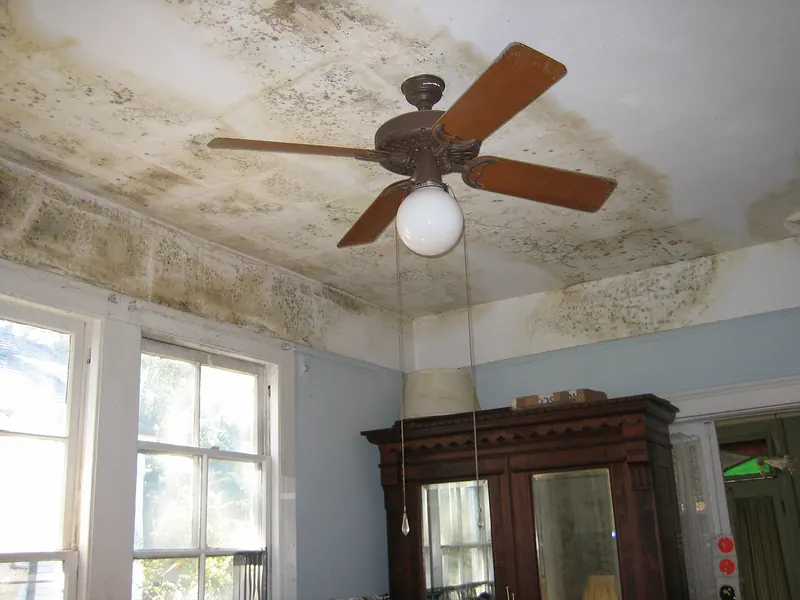
Mold After a Roof Leak
After finding the leak source, cleanup addresses mold wherever the roof leak reached the attic, walls or ceiling.
See mold after a roof leakGet a clear plan for a water stain, black spots, peeling paint or a musty smell in Baldwin Park. Address moisture, containment, materials, drying and repair.
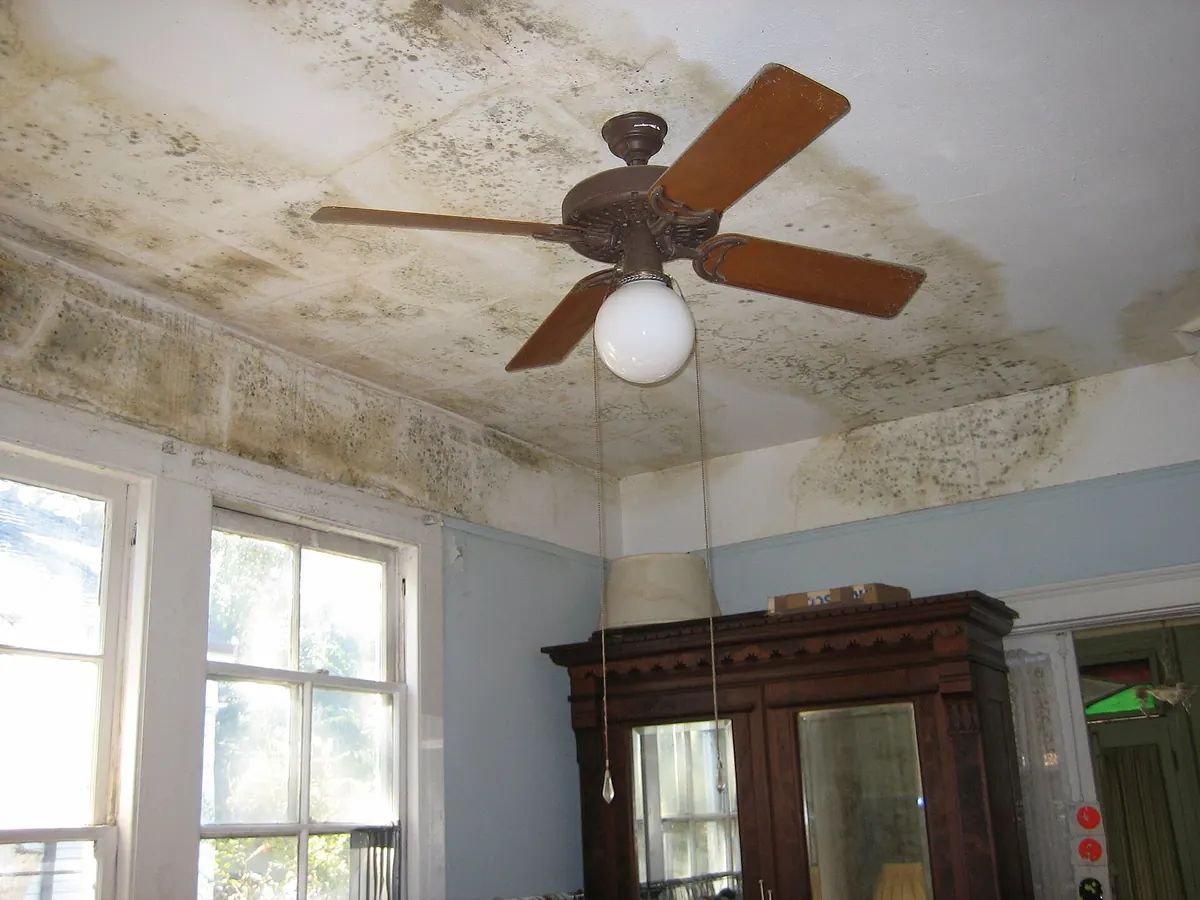
Ceiling mold cleanup includes moisture correction, drying and removal of affected materials.
Mold can be limited to painted ceiling surfaces or continue through tiles and drywall to insulation or joists. Have the area inspected if there are black marks, water staining, peeling paint, a musty odor or drywall that sags.
Look for a work scope that lists leak repair and drying along with containment, cleaning and any drywall removal. Damp building material is not fixed by applying paint.

Ask how moisture will be found and fixed before the ceiling closes.
Confirm removal boundaries, cleaning, drying and repairs to the source.
Have an independent assessor evaluate the work instead of the removal company.
The plan should explain belongings, vents, HEPA filtration and poly sheeting.
An experienced professional is appropriate for hidden or extensive growth, soft ceilings, HVAC involvement or contaminated water.
Mold on bathroom ceiling surfaces often follows condensation. Check ventilation, insulation and plumbing first.
Possible sources include attic condensation, a roof leak, humidity and a cold corner. Find the source first.
Roof leak mold on ceiling surfaces may hide wet decking or insulation. Repair the roof ahead of replacement.
Bubbling paint may hide mold from water leak in ceiling. Repair the plumbing leak above first.
Do not disturb growth. Stop the water safely and record damage before moving any material.
Call (844) 352-3560According to Fixr, $1,000 to $9,000 covers ceiling mold removal. A published national range does not quote your job. Stained area size, drywall replacement, leaks and attic insulation affect the scope.
These ranges come from published national cost guides, not from a site visit. Following an on-site assessment, the property price should be explained to you before any work begins.
Ask about cost: (844) 352-3560Coverage depends on both source and policy. A mold sublimit may apply, and sudden water can differ from long-term dampness.
Under California's housing law, visible mold found by a health officer or code enforcement officer can make a rental substandard. Renters can contact their local health or code enforcement department to ask for an inspection. Save messages and photographs that show the date. Local requirements, the cause and your lease help determine responsibility.
Report water damage promptly. Ask what coverage and limits apply before moving materials.
Both the source and timing count. Keep leak repair records with photos and moisture readings.
California's Toxic Mold Protection Act includes a landlord written-disclosure section (Health and Safety Code 26147). By its own wording it applies only after the state adopts mold exposure standards, and the state health department has said it could not set them. Retain the work scope, photographs, measurements and repair documentation.
Your work plan is based on access, affected area, moisture and materials.
The scope is set by moisture readings that map drywall, structural framing and insulation.
Protective equipment, air filtration, negative air pressure and poly sheeting help keep dust controlled.
Porous materials beyond salvage are removed and bagged inside containment. Framing may stay if cleanable.
HEPA vacuuming followed by damp wiping removes settled residue. Do not use antimicrobial treatment in place of source removal or hands-on cleaning.
A dehumidifier and air movers support drying after the source is corrected.
Before repair, check appearance and dryness. Choose an independent assessor for air sampling or clearance testing.

Call at any time. A ceiling mold removal specialist answers, talks through what you are seeing and explains the next steps.
Working above you may dislodge material or dust, particularly if the affected area continues beyond what is visible.
Some people may experience allergy and asthma symptoms triggered by mold. People with weak immune systems, asthma or lung disease are more at risk.
A moisture meter helps measure damp conditions. Thermal imaging may guide checks, but it does not identify mold.
Debris control uses a HEPA air scrubber, negative air pressure and poly sheeting.
Can you clean it yourself? An affected area under about 10 square feet is often something a homeowner can clean, EPA says. A soft ceiling, hidden growth, affected HVAC equipment, extensive damage or contaminated water falls outside that guidance. Correct moisture first.
Cleanable surfaces can stay, but porous materials may go when damaged.

Access, drying, affected materials and source correction determine how long work takes. Set a reliable schedule after inspection.
A musty odor can indicate hidden growth or damp drywall and insulation, but it does not show the area's size. Trace the moisture before you open a ceiling cavity.
According to EPA, indoor humidity should stay under 60 percent and ideally between 30 to 50 percent. Bathroom fans and dehumidifiers may be useful, but any leak or attic condensation requires correction.

The full ceiling mold removal guide covers what is cleaned or removed, odor and air quality work, and the rules that apply in your state.
Read the full ceiling mold removal guideLocal humidity and housing, along with access to your property, can influence mold cleanup planning, moisture control and containment.
The local mix includes 42 percent renter occupied homes, making dated photos and written leak reports useful for identifying which surfaces and adjoining spaces need to be checked.
A median construction year of 1964 means local homes may have decades of repairs or remodeling that conceal an older leak behind newer finishes.
The local housing stock is 77 percent single-family, making ventilation, drainage, and plumbing checks across the property relevant to keeping cleaned areas dry.
In Baldwin Park, 10 percent of seniors live alone, making occasional checks of closets, lower levels, and utility areas useful for finding moisture that is easy to overlook.
You can ask about mold cleanup in nearby communities and ZIP codes during the call.
After finding the leak source, cleanup addresses mold wherever the roof leak reached the attic, walls or ceiling.
See mold after a roof leak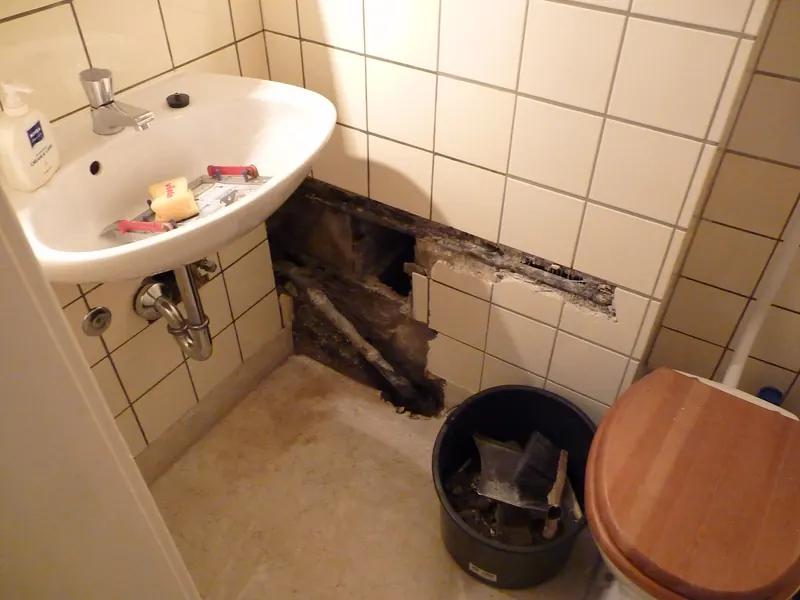
Whether water came from a slow drip or from a burst pipe, plumbing leak mold is cleared from wet cabinets, wall surfaces and floors.
See mold after a plumbing leak or burst pipe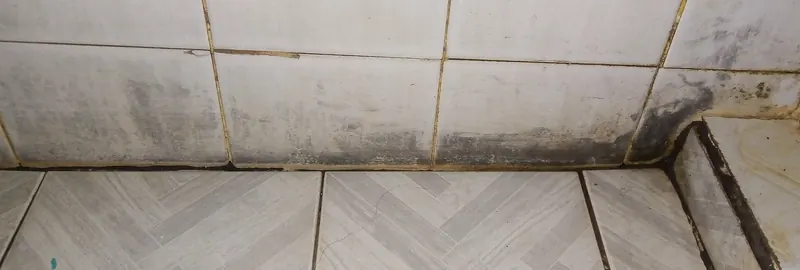
Bathroom mold removal clears growth from grout, walls, ceilings and spaces behind showers while checking for leaks or poor ventilation.
See bathroom mold removal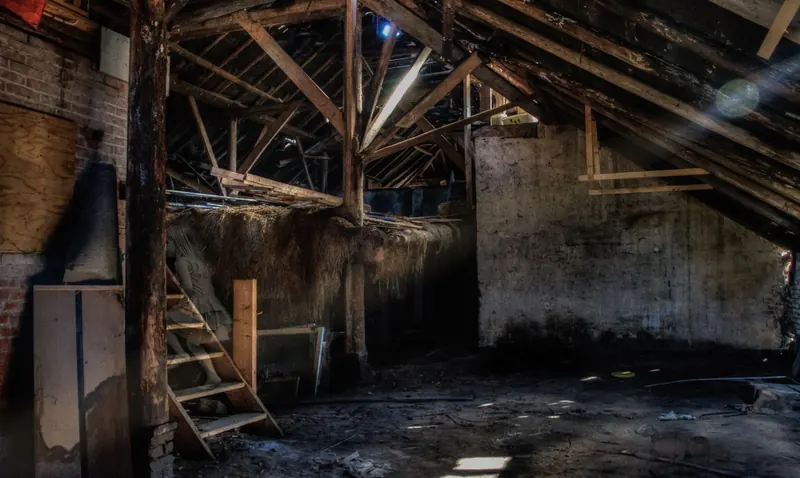
Mold on rafters, roof sheathing and insulation is cleaned during attic mold removal, and the related leak or ventilation issue is noted.
See attic mold removal
Wall and drywall mold removal cuts out and replaces mold-damaged drywall and cleans the framing inside the wall.
See wall and drywall mold removal
Wet or moldy insulation is taken out of attics, crawl spaces and walls during mold removal, then replaced once cleaning is complete.
See insulation mold removal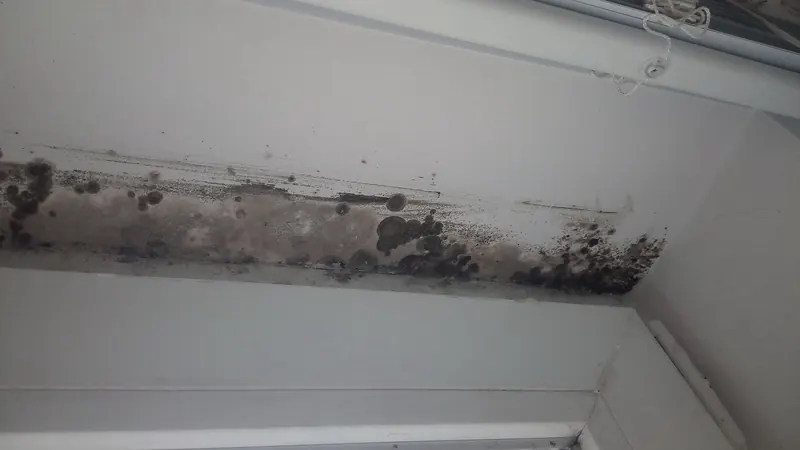
This option clears mold linked to condensation and high humidity on ceilings, wall surfaces and windows and identifies ways to lower moisture.
See humidity and condensation mold
Mold clearance testing follows removal and uses a visual check plus air samples to verify that the area is clean.
See mold clearance testingFixr lists a national range of $1,000 to $9,000. Attic insulation and drywall replacement influence your scope. Stained area size, access and any roof or plumbing leak above also matter. Your scope should clearly distinguish removing materials, correcting the source, drying the area and rebuilding it.
Before cleaning, fix any plumbing leak, roof leak, condensation or excessive humidity. EPA guidance allows many people to clean an accessible patch under about 10 square feet. A soft ceiling, hidden growth, HVAC involvement, extensive damage or contaminated water calls for experienced help.
Color alone does not show how risky mold may be. Treat black spots as a moisture and material problem, not proof of type or danger. Correct the water problem without disturbing growth, and use experienced help for significant, concealed or damaged areas.
Moist air can form condensation on cooler surfaces, particularly if the bathroom fan is weak, obstructed or improperly vented. Water from a plumbing leak or roof leak may look similar. Before you clean, identify the source and maintain relative humidity under 60 percent.
Repair the roof, then check moisture above and below the ceiling. Insulation and drywall that are not cleanable or dryable may have to be taken out within a contained area. Before adding ceiling paint, texture, drywall or insulation, make sure all sound framing is clean and dry.
The moisture source, lease terms, policy and local requirements determine whether the tenant, landlord, owner or insurer pays. Report what happened promptly. Save photographs, communications, dampness records and proof of repairs for each party to examine.
You can get straightforward, reassuring guidance on ceiling mold removal by calling 24 hours a day.