
Mold Remediation
Containing mold growth comes first in mold remediation, followed by removal, cleaning and correction of the moisture problem that allowed it.
See mold remediationGet a clear plan for dark growth or moisture damage in Baldwin Park. It should cover containment, cleaning, drying and the water problem.

During black mold remediation, dark growth is removed, the area dried and moisture corrected.
Possible parts of a scope are verification, drying equipment, surface cleaning, HEPA filtration, containment, drywall removal, moisture mapping and inspection.
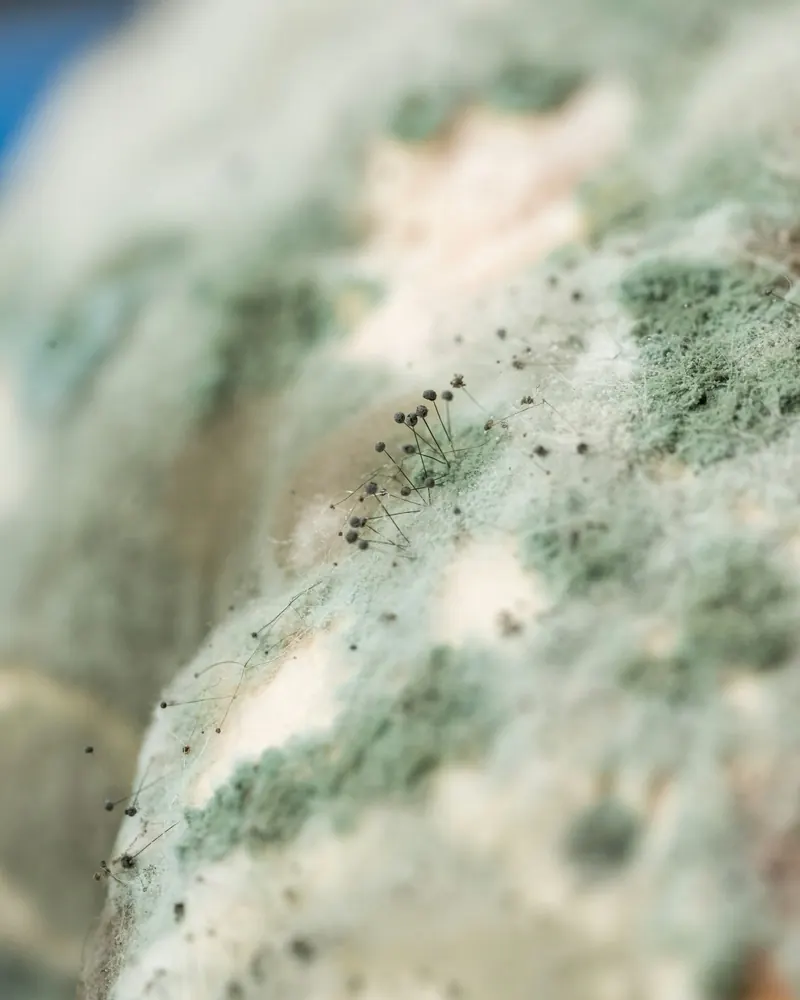
One type of dark mold is Stachybotrys chartarum. Because many molds appear black, their color does not establish the species or risk. Identifying it in a lab requires a mold sample.
The scope should explain what to expect, removal limits, cleaning, drying, costs and repairs.
Ask how barriers protect people, pets and belongings.
Use an independent assessor for clearance testing after the cleanup is complete.
Find out who is responsible for fixing the water issue and confirming dryness.
Experienced help makes sense for hidden or large growth and contamination involving HVAC or water.
Manage moisture in your crawl space, basement, bathroom or another lower level.
Dampness can remain in cellulose materials. The removal of affected drywall is guided by moisture readings.
Before material is replaced, look for condensation, a plumbing leak or a roof leak.
Keep contaminated equipment turned off. Operation could move mold through the building, as EPA guidance warns.
Safely stop the water, and do not disturb the growth.
Call (844) 352-3560Fixr lists a national inspection range of $600 to $800 and average black mold removal of $800 to $7,000 in its cost guides. Bob Vila's guide, which cites Angi and HomeAdvisor, puts the average at $800 to $7,000 for black mold removal. They are national ranges rather than a quote.
Published national cost guides are the source of these ranges, rather than an inspection of your property. Your property price is set after an on-site assessment and should be explained before work starts.
Ask about cost: (844) 352-3560A covered, sudden water event may qualify for coverage. Common exclusions include repeated humidity and long-term leaks.
Under California's housing law, visible mold found by a health officer or code enforcement officer can make a rental substandard. Renters can contact their local health or code enforcement department to ask for an inspection. Save dated messages and photos documenting repairs, access and the leak.
Color does not decide coverage, but the cause may. A burst pipe may differ from condensation or a slow leak.
California's Toxic Mold Protection Act includes a landlord written-disclosure section (Health and Safety Code 26147). By its own wording it applies only after the state adopts mold exposure standards, and the state health department has said it could not set them. Retain the independent clearance report along with moisture readings, photos, repair records and the scope.
Report the event promptly. Ask about the cause, mold sublimit and required records before materials move.
Area, material, access and moisture determine the protocol.
Use a moisture meter to track the damp area. Thermal imaging may guide checks, but cannot identify mold.
Poly sheeting and negative air pressure help keep dust inside the work zone.
The cleanup crew bags drywall, ceiling tile, carpet or insulation that cannot be saved.
HEPA filtration collects airborne particles, and a controlled route is used for tools and bags.
For non-porous surfaces, surface cleaning can involve damp wiping, a HEPA vacuum, HEPA sanding or wire brushing.
Drying equipment can consist of air movers and a dehumidifier. Repairs are guided by moisture readings.
Post-remediation verification may include air sampling and a visual inspection by an independent assessor.

Phone at any hour. Talk with a black mold removal specialist about what you are seeing and the steps ahead.
Spores can spread during cleanup, damp materials can go unnoticed and sensitive people can be exposed. Risk is not shown by color.
Allergy and asthma symptoms can be triggered by mold in certain people.
A moisture meter can find wet material behind cabinets, flooring and walls.
Experienced help and protective equipment are called for by EPA guidance when sewage or contaminated water is involved.
Can you clean it yourself? EPA says occupants may often clean spaces under about 10 square feet once the water issue is fixed. Experienced help is needed for contaminated water, HVAC involvement or more extensive areas.
Cleanable hard surfaces may remain. Removal may be necessary for porous materials with mold.

The time needed depends on access, containment work, drying and moisture repair. Schedules given before inspection remain preliminary.
Hidden damp material may produce a musty odor. The smell cannot determine the type of mold or correct the source.
Keep relative humidity lower than 60 percent and ideally at 30 to 50 percent, EPA says. A dehumidifier cannot replace repairs.

The full black mold removal guide covers what is cleaned or removed, odor and air quality work, and the rules that apply in California and Los Angeles County.
Read the full black mold removal guidePlanning for moisture control, containment and mold cleanup can be influenced by local humidity, housing and property access.
The local mix includes 42 percent renter occupied homes, making dated photos and written leak reports useful for identifying which surfaces and adjoining spaces need to be checked.
A median construction year of 1964 means local homes may have decades of repairs or remodeling that conceal an older leak behind newer finishes.
The local housing stock is 77 percent single-family, making ventilation, drainage, and plumbing checks across the property relevant to keeping cleaned areas dry.
In Baldwin Park, 10 percent of seniors live alone, making occasional checks of closets, lower levels, and utility areas useful for finding moisture that is easy to overlook.
Ask on the phone about mold cleanup for nearby ZIP codes and communities.
Containing mold growth comes first in mold remediation, followed by removal, cleaning and correction of the moisture problem that allowed it.
See mold remediation
Removing surface and material growth, bagging items beyond saving and preparing the area for repairs are all part of mold cleanup.
See mold cleanup
Hidden mold remediation finds and removes mold growing behind walls, under floors and above ceilings where you cannot see it.
See hidden mold remediation (behind walls)
Wall and drywall mold removal cuts out and replaces mold-damaged drywall and cleans the framing inside the wall.
See wall and drywall mold removal
This option begins with a mold inspection to identify where growth is present, followed by removal and cleaning.
See mold inspection and removal
Water damage mold cleanup removes mold that grows after a leak or flood and dries the structure so it does not return.
See water damage mold cleanup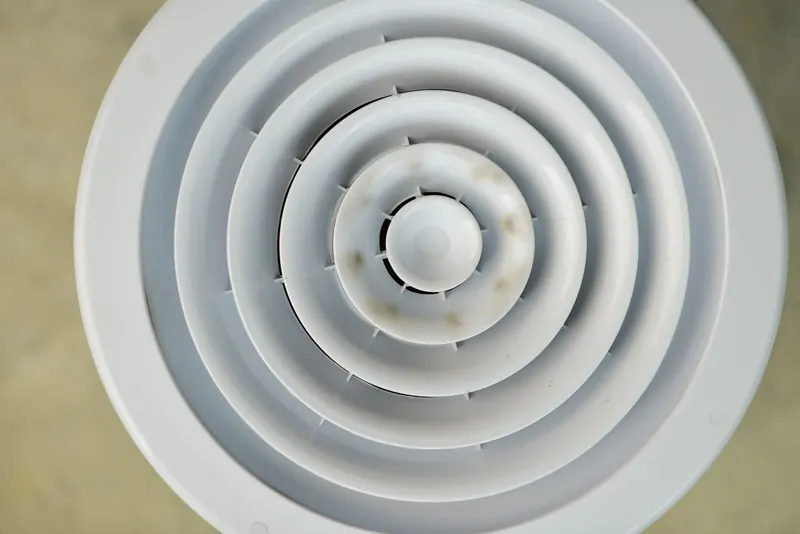
Ducts, drain pans, coils and vents receive air duct mold removal to prevent the HVAC system from continuing to spread mold.
See HVAC and air duct mold removal
Mold damage restoration clears the growth before damaged insulation, flooring, drywall and other building materials are repaired or replaced.
See mold damage restorationCoverage depends on the policy and the cause of moisture. A sudden and accidental water incident may lead to a payment when the policy covers it. Long-term leaks, repeated humidity and neglected maintenance are commonly excluded. Ask about the mold sublimit while saving messages, moisture readings, repair records and photographs.
When moisture contacts a material mold can use, growth may occur. High humidity and damp wall cavities can leave wood and drywall paper wet, as can condensation and leaks from roofs or plumbing. Because treating the visible patch alone permits regrowth, every cleanup needs moisture control.
Black describes color, not species or risk. Many molds have a dark appearance, though Stachybotrys chartarum is one type linked with the term. A greenish black color or slimy texture cannot confirm its name. Your priorities are finding the moisture source, identifying affected materials and planning safe cleanup.
A professional is not necessary for every small patch. EPA guidance says homeowners or renters may often clean spaces under about 10 square feet after correcting the water issue. Larger growth, extensive water damage, hidden areas, HVAC involvement and contaminated water call for experienced help.
Removal can address damaged porous material and growth you can see, with the hard surfaces that remain cleaned and dried. You cannot remove every mold spore from a building. Correct the moisture, take out affected material, complete detailed cleaning and verify dry conditions before making repairs.
A mold inspection may be warranted by a musty smell, repeated staining or visible dark growth, although appearance cannot establish the species. Lab testing has value if knowing the identity changes what you decide. After spotting growth, identify the moisture source, establish the affected area and prepare for safe cleanup.
For calm and useful guidance about black mold removal, you can reach someone by phone 24 hours a day.